


Cataracts are one of the most common vision conditions that affect older adults. As the natural lens of the eye becomes cloudy over time, cataracts can cause blurry vision, dull colors, and even difficulty seeing at night. If you’re wondering what are the 3 types of cataract surgery, this guide will walk you through each option in a simple, professional, and conversational tone.
Modern cataract surgeries are safe, effective, and highly customizable. With a range of surgical options and intraocular lenses now available, patients can look forward to restored vision and better quality of life.
Why Cataract Surgery Is Needed
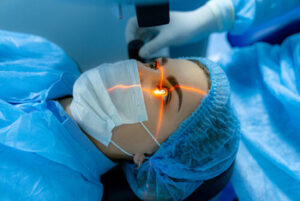 When cataracts develop, the once-clear natural lens becomes cloudy, limiting your ability to see clearly. Over time, this clouded lens can affect your ability to read, drive, or recognize faces. The only permanent solution is surgery, which involves removing the cloudy lens and replacing it with a clear intraocular lens.
This artificial lens remains in place for the rest of your life and is designed to restore clear vision, reduce your dependence on glasses, and match your vision goals.
The 3 Types of Cataract Surgery
There are three primary types of cataract surgery, and each one is selected based on your eye health, lifestyle needs, and the severity of your condition.
1. Phacoemulsification (Traditional Cataract Surgery)
Phacoemulsification is the most common type of cataract surgery performed today. It is considered the standard procedure for removing cataracts and is known for being quick, safe, and requiring a very small incision.
How it works:
- A small incision is made at the edge of the cornea.
- An ultrasound probe is inserted to break up the cloudy lens into small fragments.
- The pieces are then suctioned out.
- An intraocular lens is inserted into the lens capsule where the natural lens once sat.
Why it’s popular:
- Uses a small incision and causes minimal tissue disruption
- Shorter recovery time compared to older techniques
- Most patients can return to normal activities within days
This basic cataract surgery is suitable for most individuals with age-related cataracts and provides clear vision with minimal downtime.
2. Extracapsular Cataract Extraction (ECCE)
Extracapsular cataract extraction is often used for more advanced cataracts where the lens is too hard to be broken up using ultrasound technology. In this method, the entire lens is removed in one piece through a larger incision.
How it works:
- A larger incision is made on the cornea.
- The surgeon removes the entire lens while leaving the back part of the lens capsule in place.
- An intraocular lens is then implanted into the eye.
Best suited for:
- Advanced cataracts
- Cases where phacoemulsification is not recommended
Although this procedure may require stitches and a longer recovery time, it is still a safe and effective way to restore vision for those with more complicated cases.
3. Femtosecond Laser-Assisted Cataract Surgery (FLACS)
This advanced cataract surgery uses a femtosecond laser to perform many of the critical steps in the procedure, such as creating the incision, breaking up the cataract, and softening the lens for easier removal.
How it works:
- A femtosecond laser makes precise incisions in the cornea and softens the cataract.
- The surgeon then removes the lens fragments and places a new intraocular lens.
Why choose laser-assisted cataract surgery:
- Allows for precise incisions
- Reduces the need for blades
- Often results in better visual outcomes
- Can correct astigmatism when combined with toric lenses
Laser surgery is ideal for patients who want premium lens choices, have specific vision goals, or want fewer complications during healing.
Choosing the Right Intraocular Lens (IOL)
Regardless of the type of cataract surgery you choose, selecting the right intraocular lens is a major part of the process. These lenses replace your clouded natural lens and help fine-tune your vision.
Here are the most common options:
Monofocal Lenses
These lenses focus on one distance only. You’ll have to choose whether you want to see clearly at a distance, for intermediate vision (like computer work), or up close. Most patients with monofocal lenses will still need reading glasses or glasses for near tasks.
Toric Lenses
Designed for patients with astigmatism, toric lenses correct irregularities in the cornea to provide sharper vision. These lenses can reduce or eliminate the need for glasses if you have significant astigmatism.
Multifocal and Extended Depth Lenses
These advanced lenses allow you to see at multiple distances and may help you avoid wearing glasses entirely. They’re ideal for patients who want to reduce their reliance on corrective lenses and maintain clear vision at different ranges.
Your eye surgeon will evaluate your eye condition, lifestyle needs, and overall health to help you choose the lens that fits your situation.
What Happens Before, During, and After Cataract Surgery?
Before the Procedure
Your eye doctor will perform a full eye exam and take measurements to plan your procedure and select the right intraocular lens. You may be prescribed eye drops to prepare the eye and reduce the risk of infection.
During the Surgery
The surgery itself usually takes 15 to 30 minutes. You’ll be awake, but your eye will be numbed with drops. Most patients feel no pain, only some pressure or mild discomfort.
After the Surgery
You may notice clearer vision within a few days. Some temporary symptoms, like blurriness or sensitivity to light, are common. Avoid rubbing your eyes, heavy lifting, or any activity that might increase pressure in your eye during the recovery period.
Full recovery can take up to 4 to 6 weeks, though many return to light activities within just a few days.
Making the Right Choice
Each type of cataract surgery has its strengths:
- Traditional phacoemulsification is an efficient and suitable treatment for most individuals with age-related cataracts.
- Extracapsular surgery is better for dense, advanced cataracts that cannot be broken up by ultrasound.
- Laser-assisted cataract surgery is ideal for those seeking high precision, especially if they want to correct astigmatism or customize visual outcomes.
The best way to decide is to talk with your eye care provider. They’ll review your eye health, discuss your vision goals, and recommend a procedure that fits your personal needs.
Final Thoughts
Cataracts are a common part of aging, but they don’t have to limit your quality of life. Thanks to advanced surgical techniques and a wide range of lens options, most patients achieve improved vision and freedom from cloudy, impaired sight.
Whether you’re considering traditional surgery or a more advanced laser-assisted procedure, understanding the types of cataract surgery helps you make an informed choice. With the right care and planning, you can look forward to clearer vision and a brighter future.
References:
https://www.hopkinsmedicine.org/health/treatment-tests-and-therapies/cataract-surgery
https://www.mayoclinic.org/tests-procedures/cataract-surgery/about/pac-20384765
https://www.aao.org/eye-health/tips-prevention/traditional-vs-laser-assisted-cataract-surgery
https://www.yalemedicine.org/news/cataract-surgery-options