

Braces are a powerful tool in orthodontic treatment, helping people achieve straighter smiles, improved oral health, and correct bite issues. But before starting your journey to better teeth alignment, one of the most common questions patients ask is, “How long does it take to get braces on?” In this guide, we’ll dive into the process of getting braces, explain the various stages, and cover what to expect before and after the braces appointment.
Initial Consultation: The First Step in Your Braces Journey
The first step in any orthodontic treatment is the initial consultation with your orthodontist. This is where the orthodontist will assess your dental health, take x-rays, and discuss your treatment plan. During this appointment, they will evaluate if you need metal braces, ceramic braces, or lingual braces to straighten your teeth. To develop a personalized plan, your orthodontist will also consider your bite issues, crooked teeth, and any other dental issues.
The initial consultation takes 30 to 45 minutes for most patients, depending on the case’s complexity. However, this stage is crucial as it sets the foundation for the entire treatment. Your orthodontist will likely discuss dietary restrictions, oral hygiene practices, and any oral health concerns to ensure you are fully prepared for wearing braces.
How Long Does It Take to Get Braces On?
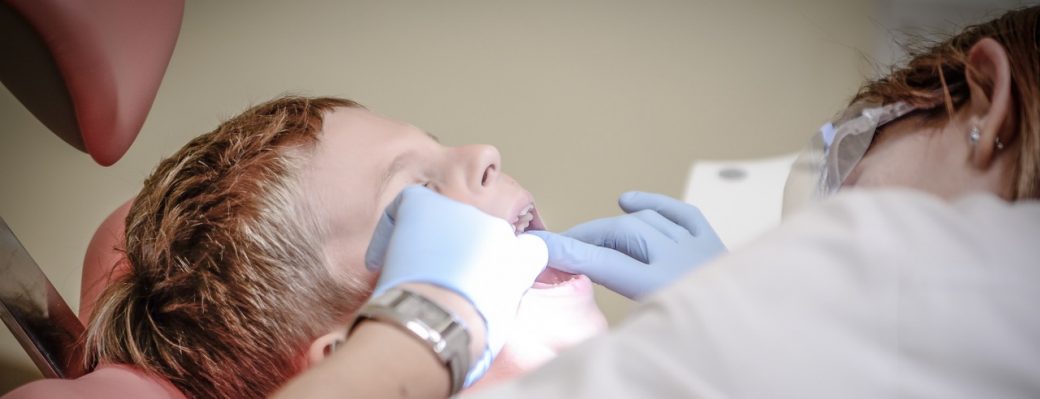
Once your orthodontist has developed a treatment plan, the next step is the braces appointment—the moment you’ve been waiting for! So, how long does it take to get braces on? Typically, it takes about one to two hours to place the braces on your teeth. This timeframe may vary slightly depending on the type of braces you’re getting and the complexity of your case.
Here’s a step-by-step breakdown of what happens during the braces placement process:
- Teeth Cleaning: Before applying the braces, the orthodontist or dental hygienist will thoroughly clean your teeth to ensure a strong bond between your teeth and the braces.
- Dental Impressions: Sometimes, your orthodontist may need to take dental impressions before fitting the braces. This helps ensure the braces are properly aligned to correct bite issues and straighten teeth.
- Application of Dental Adhesive: The orthodontist applies a special dental adhesive to your teeth to attach the braces. The adhesive is safe and designed to stay on your teeth for the duration of your braces treatment.
- Placement of Metal Brackets: If you’re getting traditional metal braces, the orthodontist will place metal brackets on each tooth. This systematic step requires precision to ensure the brackets are correctly positioned to move your teeth efficiently.
- Curing with Blue Light: After placing the brackets, blue light hardens the adhesive quickly, securing the brackets in place.
- Inserting the Archwire: The orthodontist then threads a thin wire through the brackets. This wire creates tension that gradually moves your teeth into their correct position.
- Elastic Bands: In some cases, elastic bands may be added to the brackets to apply additional pressure for teeth movement. Elastic bands can also be used later in the treatment to help correct bite issues.
Braces Types and Their Impact on Placement Time
 The type of braces you choose can play a significant role in the duration of your orthodontic treatment and the time it takes to get them placed. Whether you’re considering traditional braces, metal and ceramic braces, or other options, each type has nuances in terms of placement time, comfort, and effectiveness in helping straighten teeth.
Traditional Braces
Traditional braces are the most commonly used option for correcting misaligned teeth and bite issues. These braces use metal brackets attached to each tooth’s front and connected by a thin wire. The wire exerts constant pressure, which helps to straighten teeth over time. Regarding placement, traditional braces usually take about one to two hours to apply. The orthodontist will carefully position each metal bracket on your teeth using dental adhesive, ensuring proper alignment to maximize the effectiveness of the treatment.
Traditional metal braces are incredibly efficient, especially for patients with severe misalignment or complex bite issues. These braces are durable and highly effective in moving teeth to their correct positions. Because of their robust nature, metal braces are often recommended for cases that require significant correction, such as correcting gaps, crowding, or crooked teeth.
Metal and Ceramic Braces
If you’re concerned about the appearance of traditional braces but still want their effectiveness, metal and ceramic braces are a great alternative. These braces use the same system of brackets and wires as traditional braces but offer a more aesthetic option for those who want a less noticeable treatment. The brackets used in ceramic braces are made of a clear or tooth-colored material, making them blend in more naturally with your teeth.
The placement process for metal and ceramic braces is similar to traditional metal braces. You can expect the appointment with MyHM Dentist Kellyville clinic to last about one to two hours, depending on the number of teeth that need brackets. Although the placement time is almost the same, ceramic braces are slightly more delicate than metal ones. As a result, the orthodontist may need to take extra care when placing them, particularly to ensure the ceramic brackets are positioned correctly without breaking.
Regarding treatment duration, metal or ceramic braces are effective at straightening teeth, but ceramic braces may require more attention. Ceramic brackets can be more prone to staining and may not be as durable as metal ones, especially in cases where more intense pressure is needed to straighten teeth. However, ceramic braces offer a more discreet option for patients who prioritize aesthetics without compromising efficiency.
What to Expect After Getting Braces
Once the braces are in place, the real journey begins. Wearing braces comes with some adjustment, and the first few days might feel uncomfortable as your mouth gets used to the new orthodontic appliances.
- Soreness: It’s common to experience some soreness in your teeth and gums after the initial placement of braces. Over-the-counter pain relievers can help manage this discomfort.
- Dietary Restrictions: After getting braces, your orthodontist will likely recommend eating soft foods like yogurt, mashed potatoes, and smoothies during the first few days. As your mouth adjusts, you must avoid foods like hard candies, nuts, and sticky snacks that can damage your braces.
- Orthodontic Wax: To prevent irritation caused by the brackets, you can use orthodontic wax on uncomfortable areas. This wax is a buffer between the braces and your cheeks or lips.
- Oral Hygiene: Maintaining excellent oral hygiene is crucial during braces treatment. Braces create more surfaces for food particles to get trapped, so brushing and flossing regularly is essential to avoid tooth decay and other dental issues.
Regular Appointments and Adjustments
 You’ll need to attend regular appointments with your orthodontist throughout your treatment. These appointments are essential for adjusting your braces, such as tightening the wires or changing elastic bands. Each adjustment is key in straightening your teeth and correcting any bite issues.
The frequency of these appointments varies depending on your specific case, but they usually occur every 4 to 6 weeks. Each visit typically takes around 30 minutes, but the length can vary depending on the complexity of the adjustment.
How Long Does the Entire Braces Treatment Take?
While getting braces on only takes a few hours, the treatment journey is much longer. Braces treatment can last anywhere from 12 to 36 months, depending on the severity of your dental issues. Patients with minor alignment problems may wear braces for just a year, while those with more complex cases might need to wear them for three years or more.
It’s important to follow your orthodontist’s recommendations carefully during this time, attend all your scheduled appointments, and maintain good oral hygiene practices. Doing so will ensure that your treatment progresses smoothly and efficiently.
The Final Step: Removal of Braces
Once your teeth have moved into their correct positions and your bite is properly aligned, your orthodontist will schedule an appointment to remove your braces. This appointment typically takes around 30 minutes to an hour, less than the initial placement.
After removing the braces, you’ll likely be fitted with a retainer to help maintain your new smile. Wearing the retainer as instructed is crucial to preventing your teeth from shifting back to their original positions.
Conclusion: Starting Your Journey to a Healthier Smile
So, how long does it take to get braces on? The answer is usually one to two hours, but the entire treatment journey can take months or even years, depending on your specific dental needs. Getting braces is a significant commitment, but the rewards of a straighter, healthier smile make the process well worth it.
Whether considering traditional metal, ceramic, or lingual braces, working closely with your orthodontist or dentist at Riverlands Dental in Richmond, NSW will ensure you receive the best care possible. With a solid treatment plan, regular adjustments, and proper oral hygiene, you’ll be well on your way to achieving the smile of your dreams.
Remember, each patient’s experience with orthodontic treatment is unique. While it may seem daunting initially, getting braces is designed to be as smooth and comfortable as possible. As you embark on your braces journey, you’ll transform your smile and improve your oral health for years.
References
https://www.ncbi.nlm.nih.gov/pmc/articles/PMC10626255/
https://www.healthline.com/health/dental-and-oral-health/how-are-braces-put-on
https://oralb.com/en-us/oral-health/life-stages/braces/getting-your-braces-put-on/