
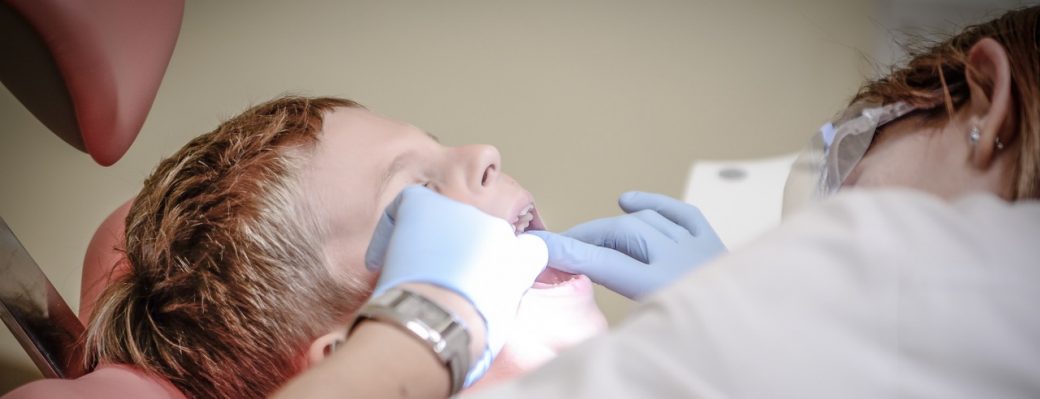

Knowing the side effects of ultrasonic teeth cleaning is crucial for anyone considering this modern dental procedure. While ultrasonic cleaning offers efficient plaque removal and a sparkling smile, it’s essential to be aware of the possible downsides. What exactly should you expect? Read on to uncover the potential side effects and ensure you’re fully prepared for your next dental visit.
Introduction to Ultrasonic Teeth Cleaning
Ultrasonic teeth cleaning is a modern dental procedure that uses high-frequency sound waves to remove plaque and tartar from the tooth surface and gum line. This method has become increasingly popular due to its efficiency and effectiveness.
Deep Penetration: The ultrasonic cleaning process can penetrate deeper into dental pockets than traditional manual scaling methods. This ability to deep dental pockets allows for more effective removal of harmful bacteria and reduces the risk of periodontal disease, promoting better oral health.
Targeted Cleaning: The small tip of the ultrasonic scaler allows dental hygienists to target specific areas of the mouth precisely. This precision helps avoid damage to delicate gum tissue and tooth enamel, making ultrasonic cleaning a safer option for tooth cleaning.
Smoother Tooth Surface: One significant advantage of ultrasonic teeth scalers is that they leave the tooth surface smoother after cleaning. A smoother surface helps prevent future plaque buildup, contributing to long-term dental and good oral health and easier maintenance of good oral hygiene.
Comfort for Sensitive Teeth: Ultrasonic teeth cleaning is particularly beneficial for sensitive teeth. The procedure is less invasive and causes minimal discomfort compared to traditional manual dental scaling, making it a more comfortable option for patients who experience tooth sensitivity.
Preventive Benefits: Ultrasonic teeth cleaning effectively reduces tartar buildup and harmful bacteria, helping lower the risk of developing periodontal disease. Maintaining gum health and preventing gum disease is critical for dental hygiene and well-being.
How Ultrasonic Teeth Cleaning Works
Ultrasonic teeth cleaning is a cutting-edge dental procedure that leverages high-frequency sound waves to clean teeth effectively. Understanding how this technology works can provide insight into its benefits and why it has become a preferred method in dental hygiene.
High-Frequency Sound Waves: Ultrasonic teeth cleaning uses an ultrasonic scaler, which generates high-frequency sound waves. These waves create rapid vibrations that effectively break down and remove plaque and tartar from the tooth surface and gum line.
Cavitation Effect: The vibrations produced by the ultrasonic scaler create a phenomenon known as cavitation. This process forms tiny bubbles in the water used during cleaning. When these bubbles burst, they disrupt and dislodge the plaque and bacteria on the teeth and gum pockets.
Irrigation: The ultrasonic scaler continuously sprays a stream of water or an antiseptic solution. This irrigation helps to wash away dislodged debris and bacteria, ensuring a thorough cleaning and reducing the risk of infection.
Targeted Cleaning: The ultrasonic scaler’s small, handheld tip allows dental hygienists to reach tight spaces and deep periodontal pockets that traditional manual scaler tools might miss. This precision is essential for comprehensive cleaning, especially for patients with gum disease.
Minimal Discomfort: The rapid vibrations and water flow minimize the need for scraping with traditional metal dental tools, making the procedure more comfortable. This is particularly beneficial for patients with sensitive teeth or those who experience discomfort during traditional dental cleanings.
Efficiency: Ultrasonic teeth cleaning is typically faster than manual scaling. The high-frequency vibrations and efficient water irrigation combine to remove more plaque and tartar in a shorter time, making the ultrasonic tooth cleaner process quicker and less labor-intensive for dental professionals.
Common Ultrasonic Teeth Cleaning Side Effects

Ultrasonic teeth cleaning is a popular dental procedure for its efficiency and effectiveness. However, like any dental treatment, it can have some side effects. Understanding these common side effects can help you prepare and address concerns with your dental professional.
Tooth Sensitivity
- Issue: One of the most common side effects is increased tooth sensitivity, especially to hot and cold temperatures.
- Cause: The high-frequency vibrations and thorough cleaning can temporarily expose more sensitive areas of the teeth.
- Management: Sensitivity usually subsides after a few days. Using toothpaste designed for sensitive teeth can help alleviate discomfort.
Gum Irritation and Bleeding
- Issue: Patients may experience minor gum irritation or bleeding during and after the procedure.
- Cause: The ultrasonic scaler’s vibrations and removing plaque and tartar can irritate delicate gum tissue.
- Management: Rinsing with a mild saltwater solution can help soothe irritated gums. If bleeding persists, consult your dental professional.
Mild Discomfort or Soreness
- Issue: Some individuals might feel mild discomfort or soreness after cleaning their teeth and gums.
- Cause: The thorough nature of ultrasonic cleaning can be a bit intense for some patients, especially those with sensitive teeth or gum issues.
- Management: Over-the-counter pain relievers can help manage any temporary discomfort.
Temporary Altered Taste
- Issue: A temporary metallic taste in the mouth is another possible side effect.
- Cause: The ultrasonic scaler and the cleaning process might cause this altered taste.
- Management: This sensation typically fades within a few hours. Drinking water and rinsing your mouth can help speed up this process.
Increased Saliva Production
- Issue: Patients may notice increased saliva production during and immediately after the procedure.
- Cause: The ultrasonic vibrations stimulate the salivary glands.
- Management: This is usually a temporary effect and will normalize shortly after the procedure.
Risk of Infection
- Issue: Though rare, there is a slight risk of infection if bacteria are pushed into the bloodstream, particularly for patients with compromised immune systems.
- Cause: The disruption of plaque and tartar can occasionally lead to bacteria entering the bloodstream.
- Management: Inform your dental professional of any health conditions. As a preventive measure, antibiotics may be prescribed for those at higher risk.
Long-Term Effects of Ultrasonic Teeth Cleaning

Ultrasonic teeth cleaning is highly effective for immediate plaque and tartar removal, but understanding its long-term effects is important for making informed decisions about your dental health. Here are some key long-term effects of ultrasonic teeth cleaning.
Improved Oral Health
- Benefit: Regular ultrasonic teeth cleaning can significantly improve overall oral health.
- Effect: This method effectively removes plaque and tartar, helping prevent gum disease, tooth decay, and bad breath over the long term.
Reduced Risk of Gum Disease
- Benefit: Consistent use of ultrasonic cleaning reduces the risk of developing periodontal diseases.
- Effect: Ultrasonic scalers’ deep cleaning capabilities ensure that harmful bacteria are removed from gum pockets, maintaining healthy gums.
Enhanced Gum Health
- Benefit: Ultrasonic cleaning promotes healthier gums by reducing inflammation and irritation.
- Effect: Regular cleaning sessions can prevent gum recession and maintain the integrity of delicate gum tissue, leading to stronger gums over time.
Prevention of Tooth Decay
- Benefit: By effectively removing plaque, ultrasonic cleaning helps prevent the formation of cavities.
- Effect: Consistent plaque removal reduces tooth decay risk, helping preserve natural teeth for longer.
Maintenance of Dental Work
- Benefit: Ultrasonic teeth cleaning can help sustain the longevity of dental restorations like fillings, crowns, and bridges.
- Effect: Regular cleanings prevent plaque buildup around these restorations, ensuring they remain effective and aesthetically pleasing.
Reduction in Dental Visits
- Benefit: Patients who undergo regular ultrasonic cleanings may require fewer emergency dental visits.
- Effect: Ultrasonic cleaning can reduce the need for frequent dental treatments by maintaining excellent oral hygiene and preventing major dental issues.
Aesthetic Benefits
- Benefit: Ultrasonic cleaning helps maintain a bright and attractive smile.
- Effect: Removing surface stains and preventing tartar buildup ensures teeth remain clean and white, contributing to a more aesthetically pleasing appearance.
Early Detection of Dental Issues
- Benefit: Regular dental visits for ultrasonic cleaning allow for the early detection of potential dental problems.
- Effect: Early intervention can prevent minor issues from becoming major dental concerns and improve overall dental health.
Who Should Avoid Ultrasonic Teeth Cleaning?
While ultrasonic teeth cleaning is an effective and popular method for maintaining dental health, it may not be suitable for everyone. Certain individuals should avoid this procedure due to specific health conditions or concerns. Here are key factors to take in consideration when determining whether ultrasonic teeth cleaning suits you.
Individuals with Pacemakers:
- Issue: The high-frequency vibrations in ultrasonic teeth cleaning can interfere with pacemaker functionality.
- Consideration: Patients with pacemakers should consult their cardiologist and dentist before undergoing ultrasonic cleaning to ensure safety.
People with Severe Gum Disease:
- Issue: Severe gum disease or advanced periodontal disease might require more specialized care.
- Consideration: While ultrasonic cleaning is effective for early-stage gum disease, those with severe conditions might need more comprehensive treatment plans, such as scaling and root planing.
Patients with Certain Respiratory Conditions:
- Issue: The aerosols produced during ultrasonic cleaning can trigger conditions like asthma or chronic obstructive pulmonary disease (COPD).
- Consideration: Individuals with respiratory issues should discuss alternative cleaning methods with their dental professional to avoid exacerbating their condition.
Individuals with Highly Sensitive Teeth:
- Issue: The vibrations and water spray used in ultrasonic cleaning can cause discomfort for those with extremely sensitive teeth.
- Consideration: Alternative cleaning methods or special desensitizing treatments before the procedure might be necessary for these patients.
Patients with Demineralized Enamel:
- Issue: Ultrasonic cleaning can potentially cause further damage to already weakened or demineralized enamel.
- Consideration: Those with compromised enamel should seek advice from their dentist about the best cleaning options to avoid exacerbating enamel erosion.
People with Dental Implants:
- Issue: While ultrasonic cleaning is generally safe for natural teeth, the vibrations can sometimes affect the stability of dental implants if not done carefully.
- Consideration: Specialized tips and techniques are required for cleaning around dental implants to avoid any risk of damage.
Patients with Orthodontic Appliances:
- Issue: Fixed orthodontic appliances, like braces, can complicate the ultrasonic cleaning process.
- Consideration: While ultrasonic cleaning can be beneficial, it requires careful maneuvering around brackets and wires, and alternative cleaning techniques might be recommended.
Individuals with Newly Placed Dental Work:
- Issue: Fresh dental restorations, such as fillings, crowns, or bridges, might be sensitive to ultrasonic vibrations.
- Consideration: To avoid potential disruption, patients should wait until their dental work has fully settled before undergoing ultrasonic cleaning.
Tips to Minimize Side Effects from Ultrasonic Teeth Cleaning

Ultrasonic teeth cleaning is a highly effective procedure for protecting oral health, but it can have some side effects. By following a few key tips, you can minimize these side effects and enjoy the benefits of a thorough dental cleaning.
Communicate with Your Dentist:
- Tip: Always inform your dentist about pre-existing conditions, such as sensitive teeth or gum disease.
- Benefit: This allows your dental professional to tailor the cleaning process to your needs, reducing the risk of adverse effects.
Pre-Treatment Care:
- Tip: Use a desensitizing toothpaste for a few weeks before your cleaning appointment.
- Benefit: This can help reduce tooth sensitivity during and after the ultrasonic cleaning procedure.
Post-Treatment Rinsing:
- Tip: Rinse your mouth with a mild saltwater solution after the cleaning.
- Benefit: This helps soothe irritated gums and can reduce the risk of infection and inflammation.
Gentle Brushing:
- Tip: Brush your teeth gently with a soft-bristled toothbrush after your cleaning.
- Benefit: Gentle brushing helps maintain oral hygiene without irritating your gums or teeth.
Hydration:
- Tip: Drink plenty of water before and after your appointment.
- Benefit: Staying hydrated helps flush out bacteria and supports oral health, reducing discomfort and aiding recovery.
Avoid Hot and Cold Foods:
- Tip: Steer clear of extremely hot or cold foods and drinks for a few days after cleaning.
- Benefit: This prevents aggravating any sensitivity or discomfort you might experience post-treatment.
Follow-Up Care:
- Tip: Schedule regular dental check-ups and cleanings as recommended by your dentist.
- Benefit: Regular maintenance helps prevent the buildup of plaque and tartar, reducing the need for intensive cleanings and associated side effects.
Pain Management:
- Tip: If you experience discomfort, use over-the-counter pain relievers as directed by your dentist.
- Benefit: Pain relievers can help manage any temporary discomfort or soreness following the cleaning.
Avoid Smoking and Alcohol:
- Tip: Refrain from smoking and consuming alcohol immediately after your cleaning.
- Benefit: These substances can irritate your gums and slow healing, increasing the risk of side effects.
Use Antibacterial Mouthwash:
- Tip: Rinse with an antibacterial mouthwash as recommended by your dentist.
- Benefit: This helps reduce the risk of infection and promotes healing by keeping harmful bacteria at bay.
Understanding the side effects of ultrasonic teeth cleaning is essential for making informed decisions about your dental care. While the procedure effectively removes plaque and tartar, it’s important to be aware of potential risks like tooth sensitivity and gum irritation. By discussing concerns with your Dubbo dentist at Advanced Dental Care and following their advice, you can enjoy the benefits of ultrasonic cleaning while minimizing any side effects. Stay informed and keep your smile healthy and bright.
References
Potential hazards of the dental ultrasonic descaler
https://pubmed.ncbi.nlm.nih.gov/3279684/
(PDF) The Effect of Dental Ultrasonic Scaler on Dental Restorations
https://www.researchgate.net/publication/362843989_The_Effect_of_Dental_Ultrasonic_Scaler_on_Dental_Restorations
DIY ultrasonic scaling | British Dental Journal
https://www.nature.com/articles/s41415-020-1685-5
How Dental Cleanings Work
https://my.clevelandclinic.org/health/treatments/11187-dental-check-up
What Happens During Your Professional Dental Cleaning
https://www.healthline.com/health/dental-oral-health/what-happens-during-a-tooth-cleaning